

Knowledge Blooms Down Here
A story of flora and foolishness

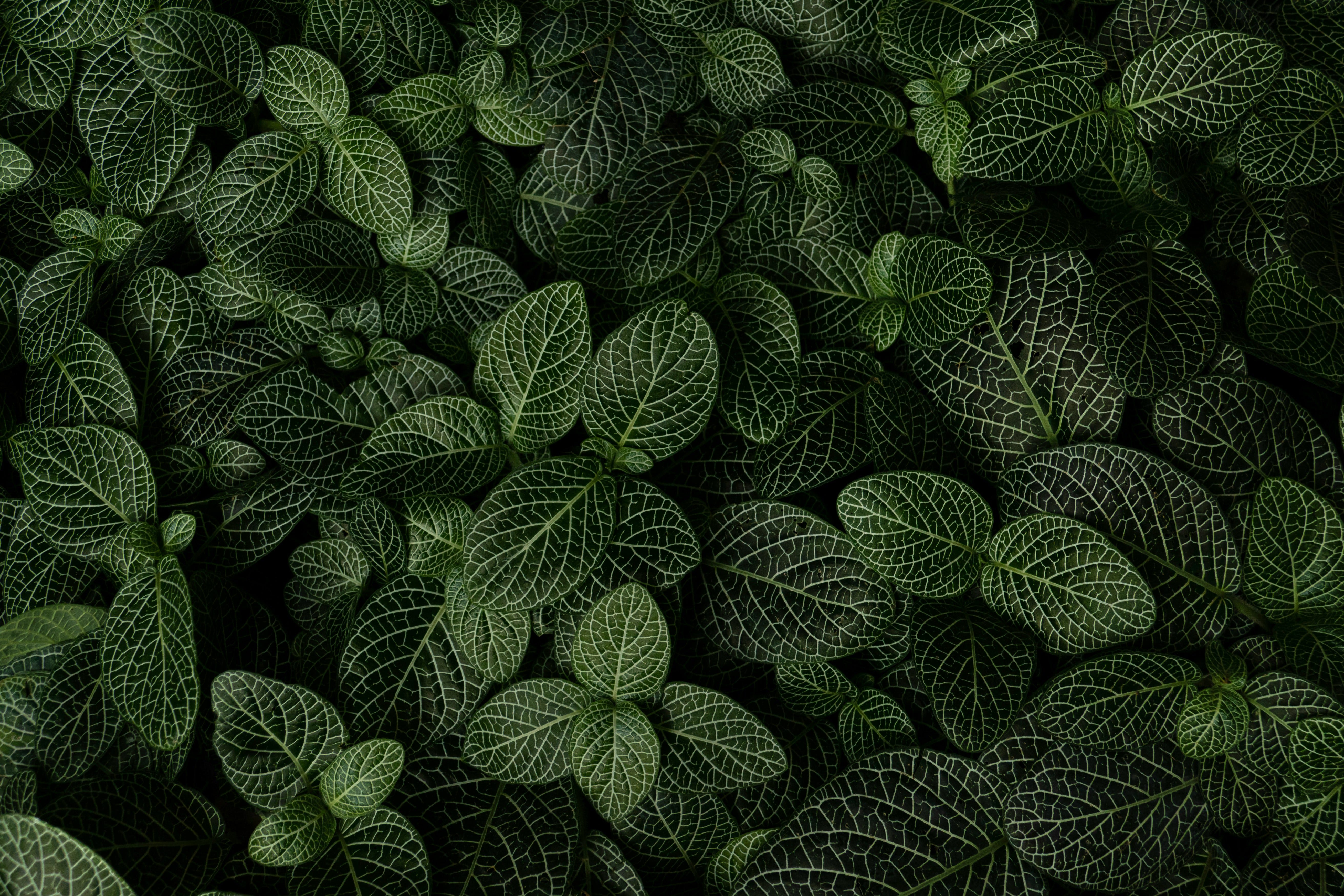
“So,” Bennett said into Doc Merrin’s horrified face, “we’ll be shutting this whole place down in six months.”
“You can’t.”
Bennett cocked an eyebrow. “I can. This is a company decision, Doc. We’re refocusing our investments. It’s over.”
But all Merrin said was, “You can’t.”
#
There’d been a time when xenoflora was the hot new thing—a few decades after humanity had mastered the skip-drive and when, after barren rock after barren rock after barren rock, they’d finally found signs of life. Just lichen at first, as Bennett recalled. Or maybe algae. Something underwhelming .
But then it had been the real stuff. Bennett had been little when it happened. Towering megaflora on Hepsilon-7. A strange bracketing thing that looked like an arterial structure ripped from a body. And after that, great bulbous blooms floating on the mercury seas of Katab-9. Then tuberous root vines on Topia-Gamma. Then pinprick petals that clung to life among the rocks of Aergia.
It had been the pharmaceutical companies that had been really into it. Because who knew what strange chemicals these new plants would secrete? When we cut into trunks and bulbs and sepals, what would emerge? How many extra years could we tack onto life? How many wrinkles could we erase? How much shinier could we make the trillionaires’ hair?
And there had been a few breakthroughs that had been momentarily exciting. But then… they were just part of everyday life. It was hard to keep viewing something as miraculous when you used it in your shower every morning.
And so, like a fragile bloom, interest in xenoflora had withered, become a backwater. An afterthought. A line item that was increasingly difficult to justify.
#
He went back to check in on Merrin the next week. The odd little man was sitting at his desk out in the great glasshouse where they bred their larger samples. Purple leaves loomed over him. Crimson petals drooped heavily overhead. Everything smelled of honey and rot.
“How are the logistics for the shutdown coming along?”
Bennett had never been known for his preamble.
“I beg you to reconsider,” Merrin said. His hands were stained purple. He shaved his head bald after a chemical burn had left half his scalp puckered and barren. “There’s still so much we can learn.”
“The decision’s been signed off on way above my head, Doc,” Bennett said. “The best way to protect your job now is to show how good at shuttering this place you can be.”
“This isn’t about my job!” Merrin’s savagery caught Bennett off guard. The little man was on his feet, stained teeth gnashing. “These are living things! We ripped them from their homes. We exploited them. And now you want to discard them.”
Bennett had taken a step back despite himself. “Jesus, doc,” he said. “They’re plants. Get a grip. Go outside once in a while.”
The doctor’s little eyes bored into Bennett. They were slightly mismatched, Bennett saw, one brown, the other a little purple. Bennett shook his head, walked away, glad to be gone. As he walked it felt like he caught glimpses of movement in the corner of his eyes, blooms turning toward him, stigmas and stamens holding him in icy regard. But he didn’t turn to look.
#
Doc Merrin came to see him the next day. To apologize. He gave Bennett something potted, a gray blob of alien succulent dotted with red spots resembling acne. Bennett made some appropriate noises and put it on a far shelf where he wouldn’t have to look at the thing.
But when it finally bloomed, the flowers were shockingly beautiful, intricate and delicate with swirling pinks, whites, and yellows. His whole office smelled delicious and sweet. Several secretaries lingered in his doorway commenting on it, smiling at him, playing with their hair.
Bennett wondered if he’d been too hard on Merrin after all.
#
After a few weeks, he went back to check on Merrin, to try to make peace. But when the elevator doors opened, he changed his mind.
“What the hell?” he said as he approached. “Nothing has changed down here. These samples-“ He broke off. There was a sharp pain in his stomach. He shouldn’t have eaten lunch so fast. He grimaced, but mostly because he hated showing weakness at work. “These samples should be gone.” He waved at flora around them. “Light the bonfires, doc. Sharpen the axe blades.”
Merrin regarded him with his small eyes. Was the left one more purple this time?
“For a head of R&D,” Merrin said, “you never showed much interest in the actual R&D.”
Bennett threw up his hands, regretted it as his guts spasmed again. “Is this the bit where you call me a bean counter, Doc? Well, spare me.” He was suddenly sweating. “For a smart guy, you don’t seem to understand what this company actually values. I thought you’d have figured-“
He was interrupted by a vast belch tearing out of him. Somehow it smelled sweet. It reminded him of… something…
“I don’t mind that you don’t care about the science,” Merrin said, and stood. “I mind that you’re too stupid to know that you should understand it anyway.“
Another gastric spasm tore through Bennett, drove him to his knees as Merrin strode towards him.
“So that you can understand its potential,” Merrin said, “its real financial value. So you can understand-“ He loomed over Bennet. “-its dangers.” The little doctor was breathing heavily. “So you know about the reproductive cycle of Heros Quaerens and how inadvisable it is for someone who’s breathed in its pollen to come into contact with the adult plant.”
He swept his hand at a bloom overhead, but Bennett’s eyes were watering so much he couldn’t make it out.
“Knowledge blooms down here,” Merrin said, leaning in close, his purple eye seeming to glow, all that Bennett could focus on. “But ignorance,” Merrin said. “Well, that just becomes so much compost.”
Very cool, man. Seems like it could be a companion piece to A Field Guide to Surreal Botany! 😄